How to Work With a Custom Furniture Maker: A Guide for Interior Designers
Custom furniture elevates every project. This guide covers how to find the right maker, communicate your vision, avoid common pitfalls, and build a partnership that delivers results for your clients.
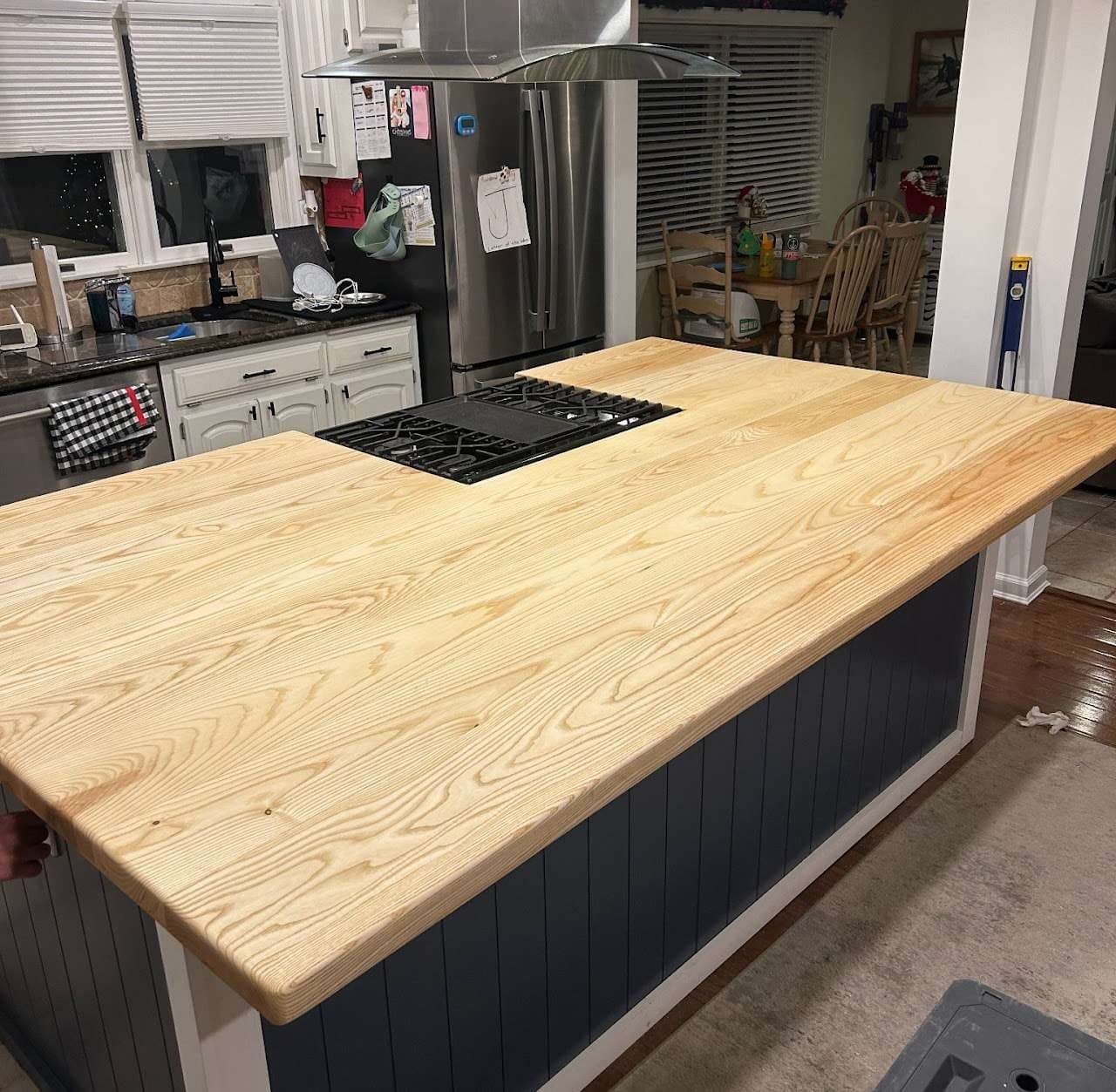
Key Takeaway: The best custom furniture partnerships start with clear communication, realistic timelines, and mutual respect for the design and building process. Interior designers who invest in a relationship with a skilled custom furniture maker gain a competitive advantage -- delivering one-of-a-kind pieces that catalog furniture simply cannot match.
Why More Designers Are Going Custom Instead of Catalog
If you are an interior designer, you already know the frustration: you find the perfect piece in a catalog, only to learn it is back-ordered for four months, discontinued, or available in every finish except the one you need. Meanwhile, your client is asking why their living room still looks like a staging photo from 2019.
Working with a custom furniture maker solves that problem entirely. Instead of fitting your design around what is available, you start with your vision and build the piece to match. The exact dimensions, the exact wood species, the exact finish -- all specified by you, built by hand, and delivered to your client's space.
But the relationship between a designer and a custom woodworker is different from placing an order with a manufacturer. It is a collaboration. And like any collaboration, it works best when both sides understand the process, communicate clearly, and set expectations early. This guide covers exactly how to do that.
What to Look for in a Custom Furniture Maker
Not every woodworker is the right fit for design trade work. Here is what separates a reliable custom furniture partner from a hobbyist with a table saw:
- A local workshop you can visit. Being able to walk through the shop, see work in progress, and touch material samples changes everything. It builds confidence in the maker's capabilities and gives you a tangible connection to the process. On Long Island, proximity means you can drop by for a quick check-in without losing a full day.
- Direct access to the craftsman. You should be talking to the person who is actually building your piece, not a sales rep. Direct communication eliminates the telephone game that causes errors. When you explain a detail about grain direction or edge profile, the person listening should be the one holding the router.
- Portfolio quality and range. Look for variety in their work. A maker who only builds farmhouse tables may struggle with a sleek, modern credenza. Browse their portfolio for evidence of different styles, joinery techniques, and finish quality.
- Material knowledge. A good maker will advise you on wood species, not just execute your order blindly. They should explain how walnut behaves differently from maple, why white oak is better for certain applications, and which species will achieve the look your client wants while holding up to daily use.
- Willingness to collaborate. The best custom furniture makers want to understand your design intent, not just follow instructions. They will ask questions, suggest improvements, and flag potential issues before they become expensive problems during the build.
The Custom Furniture Process for Designers
Understanding the production process helps you set accurate timelines with your clients and avoid surprises. Here is how a typical project flows when you work with a custom furniture maker:
1. Consultation
You share your design concept, reference images, dimensions, and material preferences. The maker asks clarifying questions and discusses feasibility. This can happen in person at the workshop, over a video call, or via email with detailed specs.
2. Material Selection
Together, you choose the wood species, review slab options (if applicable), and discuss finish samples. For high-end projects, the maker may source specific boards and send you photos for approval before cutting.
3. Quote and Timeline
You receive a detailed quote covering materials, labor, finish, and delivery. Expect 4-10 weeks for most custom pieces depending on complexity. Rush timelines are sometimes possible but will affect pricing.
4. Build with Progress Updates
During the build, the maker sends progress photos at key milestones -- rough assembly, dry fit, pre-finish, and final finish. This is your opportunity to catch any issues early.
5. Delivery and Installation
The finished piece is delivered to the client's space. For large items like dining tables or built-in cabinetry, the maker handles transport and placement. Final adjustments happen on-site if needed.
At Coastal Custom Woodworks, our trade program for interior designers streamlines this entire process. We have worked with designers on everything from custom dining tables and statement furniture to wood countertops and kitchen islands.
How to Communicate Your Vision Effectively
The number one factor that determines whether a custom piece meets your expectations is communication. Here is how to set your maker up for success:
- Provide drawings or CAD files. Even rough sketches with dimensions are better than verbal descriptions. If you work in SketchUp, AutoCAD, or any other design tool, share those files. Include overall dimensions, joinery preferences, and any hardware specifications.
- Share inspiration images. Five well-chosen reference photos communicate more than a page of written description. Include images showing the style, proportions, finish quality, and detail level you are targeting. Call out what you like and do not like in each image.
- Specify wood species and finish. Do not leave material choices open-ended unless you genuinely want the maker's recommendation. If your client wants walnut with a satin polyurethane finish, say so upfront. If you are flexible, say that too -- but be specific about what is and is not acceptable.
- Discuss timeline early. If you have a hard deadline -- a client move-in date, a design reveal, a holiday gathering -- communicate it in the first conversation. A good maker will tell you immediately whether that timeline is realistic and what it would take to meet it.
- Be clear on budget range. You do not need to reveal your client's total project budget. But giving the maker a price range for the specific piece helps them design within your constraints. A $2,000 dining table and a $6,000 dining table are built very differently, and knowing the target upfront avoids wasted time on both sides.
Common Mistakes Designers Make When Commissioning Custom Pieces
Even experienced designers run into problems when they first start working with custom furniture makers. Here are the most common mistakes and how to avoid them:
- Not visiting the workshop. Photos and websites only tell part of the story. Visiting the shop lets you evaluate the maker's equipment, organization, attention to detail, and current workload. It also builds rapport. A maker who has met you face-to-face will go the extra mile when it matters.
- Providing vague specifications. "Something modern in a dark wood" is not a spec. Neither is "like what we discussed but a little different." Ambiguity leads to mismatched expectations. Every detail you leave unspecified is a detail the maker will decide for you -- and they may not choose what you would have chosen.
- Setting unrealistic timelines. Solid wood furniture cannot be rushed without compromising quality. Wood needs time to acclimate, glue needs time to cure, and finishes need time to off-gas. A maker who promises a complex piece in two weeks is either cutting corners or will miss the deadline. Plan for 4-8 weeks minimum on most projects.
- Choosing the cheapest option. Price shopping custom furniture like commodity goods is a mistake. The cheapest quote often means lower-grade lumber, thinner stock, simpler joinery, or a less durable finish. These shortcuts are invisible on day one but obvious within a year. When your client's $1,500 "custom" table starts warping, they will not blame the maker -- they will blame you.
Why Long Island Designers Choose Local Makers
There is a reason the most successful interior designers on Long Island build relationships with local custom furniture makers rather than ordering from distant suppliers:
- Proximity for workshop visits. When the shop is 20 minutes away instead of three states away, you can stop by to review progress, approve material selections in person, and resolve questions on the spot. That proximity translates directly into better outcomes.
- Understanding of local styles. A Long Island workshop understands the design language of coastal homes, Hamptons aesthetics, and the mix of traditional and contemporary that defines our region. They have built pieces for homes like your client's and understand the context.
- Faster turnaround. No shipping delays from across the country. No freight damage. No customs holds on imported materials. Local delivery means the piece goes from the finishing room to your client's home in the same day, handled by the people who built it.
- Relationship building. The strongest designer-maker partnerships develop over multiple projects. When you find a local maker who consistently delivers quality work, that relationship becomes a competitive advantage. They learn your preferences, anticipate your needs, and prioritize your projects because they value the ongoing partnership.
Browse our portfolio to see examples of custom furniture we have built for Long Island designers and homeowners.
Start a Partnership That Elevates Your Projects
If you are an interior designer looking for a reliable custom furniture maker on Long Island, we would like to talk. Our trade program for interior designers is built specifically for design professionals who need a trusted workshop partner. You get direct access to our craftsman, trade pricing, priority scheduling, and progress updates throughout every build.
Call us at (516) 554-2734 or fill out our contact form to schedule a workshop visit and discuss your next project. No obligation, no pressure -- just a conversation about how we can help you deliver something exceptional for your clients.