How to Choose a Custom Furniture Maker: 10 Questions to Ask
Hiring the right custom furniture maker can mean the difference between a piece you love for decades and a frustrating, expensive mistake. Here are the 10 questions that separate the great builders from the risky ones.
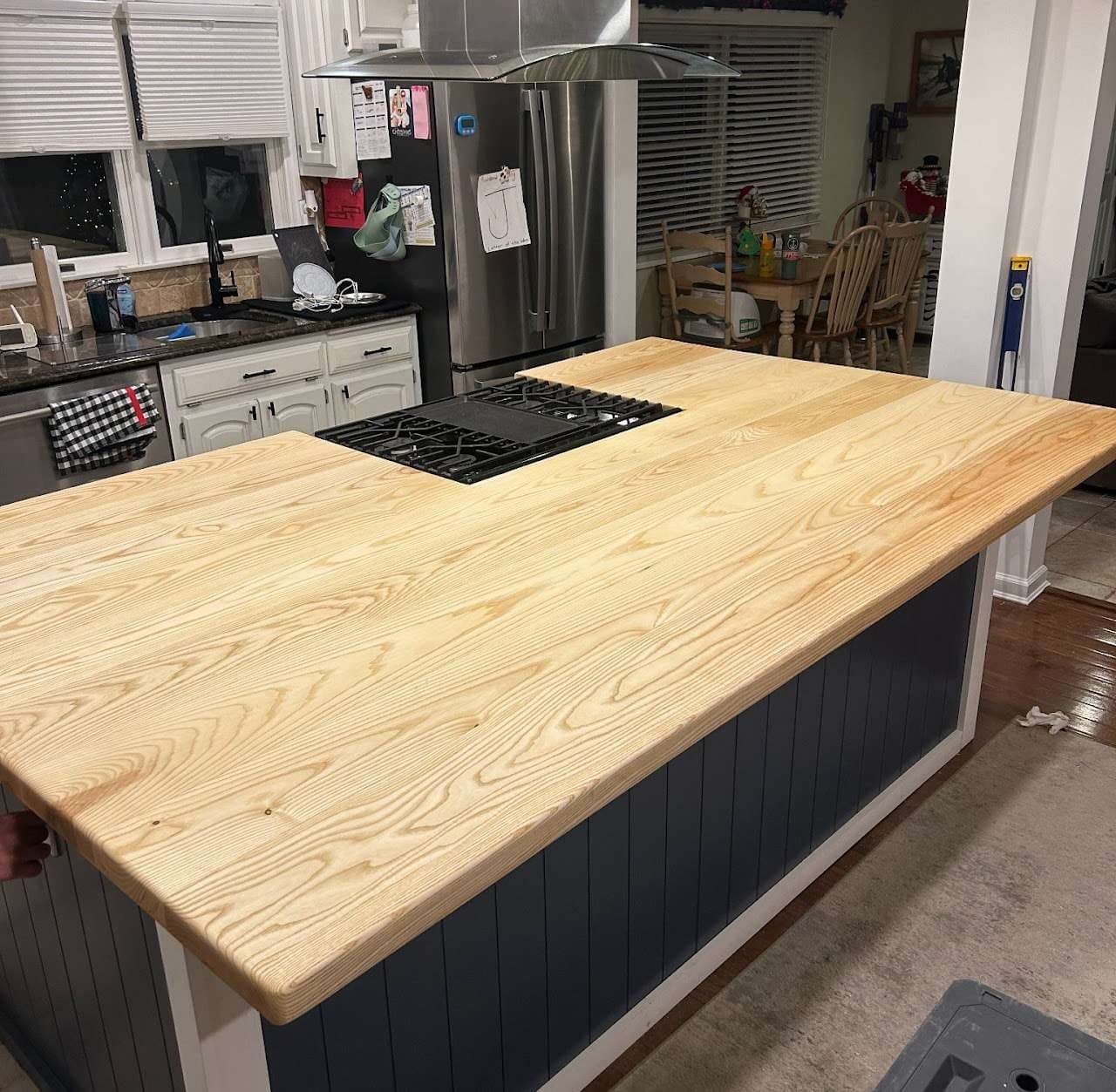
Quick answer: Check their portfolio for quality and variety. Ask about materials, process, timeline, pricing, and warranty. Visit the shop if you can. Red flags: no portfolio, vague timelines, 100% upfront payment, and unwillingness to discuss materials or process.
Custom furniture is a significant purchase. A dining table, a built-in bookshelf, a kitchen island top. You are spending real money on something you will live with for years (or decades). The maker you choose determines whether that money buys you a piece you are proud to own or a lesson you wish you had not paid for. Having built custom furniture for Long Island homeowners and businesses for years, here are the 10 questions our team would ask if we were hiring a woodworker.
1. Can I see your portfolio?
This is the single most important thing to evaluate. A portfolio tells you what the maker is capable of, what styles they lean toward, and how consistent their work is across different projects. Look for close-up photos that show joinery details, finish quality, and material choices. A portfolio full of only wide-angle shots or heavily filtered images can hide sloppy work.
Pay attention to whether the portfolio includes pieces similar to what you want. If you want a farmhouse table and their portfolio is all mid-century modern, they might be a great woodworker but not the right fit for your project. Browse our gallery for an example of what a working portfolio should look like.
2. What materials do you use, and where do you source them?
Good furniture starts with good wood. Ask where they buy their lumber, whether they use kiln-dried or air-dried stock, and what moisture content they target. Reputable makers will know these answers immediately because they deal with it every day. If the answer is vague or they seem uncomfortable with the question, that is a concern.
For the Long Island area, most quality woodworkers source from regional hardwood dealers in the Northeast. Lumber should be dried to 6-8% moisture content for indoor furniture. Ask if they own a moisture meter and use it. Poorly dried wood is the #1 cause of furniture that warps, cracks, or develops gaps after delivery.
3. What is your process from start to finish?
A maker who can walk you through their process step by step (design, material selection, milling, joinery, assembly, finishing, delivery) has done it enough times that it is systematic. Someone who gives a vague "I will build it and let you know when it is done" is a gamble. The process should include at least one check-in point where you can see progress or approve direction before the piece is finished.
4. What is the timeline?
Custom furniture takes time. A dining table typically takes 4 to 8 weeks. A set of built-in shelves can take 6 to 12 weeks depending on complexity. Ask for a specific timeline, not "a few weeks." If the maker cannot give you a reasonably specific estimate, they either have poor scheduling or too many projects in the queue. Both are problems.
Also ask what happens if the timeline slips. Delays happen in woodworking (a finish needs an extra day to cure, a slab has a defect that requires reworking). A good maker will communicate proactively if the schedule changes. Read more about typical timelines in our custom dining table guide.
5. How does pricing work?
Ask for a written, itemized quote. Good makers break down the cost into materials, labor, finish, and delivery. A single lump-sum number with no breakdown makes it hard to compare quotes or understand where your money is going. Also ask about what triggers price changes. If the wood species you chose is unavailable and a substitute is needed, does the price change? How are design revisions handled?
The standard deposit structure is 50% upfront and 50% on completion. Some makers split it into thirds for larger projects. Be cautious of anyone asking for 100% upfront. If a maker is not willing to put pricing in writing, that is a red flag.
6. Do you offer a warranty?
A maker who stands behind their work will have some form of warranty or guarantee. It does not need to be a 50-page document, but there should be a clear understanding of what they will fix if something goes wrong. Structural failures (joints separating, wood cracking due to improper drying) should be covered. Normal wear and tear typically is not, and that is reasonable.
7. Can I visit your workshop?
If the maker is local, ask to visit. A workshop tells you a lot. Is it organized? Is the equipment maintained? Are there projects in various stages of completion? Can you see the lumber stock? You do not need a showroom-quality shop, but you want to see a space where serious work happens. Be wary of makers who have no fixed shop or are reluctant to let you see their workspace.
We welcome shop visits at our workspace in Babylon, NY. Seeing the wood, the tools, and works in progress helps our clients feel confident in the process. It also makes design conversations more productive because you can touch the wood species and see finish samples in person.
8. Can I see reviews or talk to past clients?
Online reviews are a starting point, but talking directly to a past client gives you much more useful information. Ask the maker if they can connect you with a previous customer who ordered something similar to what you want. A good maker will happily provide references because satisfied clients are their best marketing.
9. How do you handle communication?
This one is easy to overlook, but it matters a lot. How responsive are they to your initial inquiry? Do they answer questions clearly, or do you feel like you are pulling teeth? Communication style during the quoting phase is usually a preview of communication during the build. If it is hard to get a response before they have your deposit, it will likely be harder after.
A good maker communicates proactively. They let you know when they are starting your project, send progress photos, and notify you immediately if anything changes. You should never have to chase a maker for basic updates on your own project.
10. What are the red flags?
After years of building furniture and talking to customers who came to us after bad experiences elsewhere, these are the warning signs:
- No portfolio or very few photos. If they cannot show you completed work, you are the experiment.
- Vague timeline. "I will get to it when I can" means your project has no priority.
- 100% payment upfront. You lose all leverage if something goes wrong.
- No written quote. Verbal agreements are nearly impossible to enforce.
- Reluctance to discuss materials. If they cannot tell you what wood they will use and where it comes from, question the quality.
- No shop or a "mobile" setup. Custom furniture requires stationary equipment. A maker working off a folding table in a garage may not have the tools to deliver quality results.
- Prices far below market. If a custom walnut dining table is quoted at $500, the materials alone cost more than that. Something is off.
Ready to start a project?
If you are looking for a custom furniture maker on Long Island, we would like to earn your business. Check out our portfolio, read about our custom tables and furniture services, or learn more about our shop and background. Consultations are free and come with no obligation. Call (516) 554-2734 or request a quote online.
Choosing a Furniture Maker FAQ
Start with Google and search for custom furniture makers in your area. Look for makers with an active portfolio showing recent work. Instagram is another good resource since many woodworkers post their projects there. Ask for referrals from interior designers, contractors, or friends who have commissioned custom pieces.